
As we approach the final trading weeks of 2025, the “smart money” is already positioning for the Q1 rotation. While the retail crowd chases yesterday’s winners, historical data points to specific sectors that consistently outperform from mid-December through early spring.

The phenomenon is driven by a convergence of factors: the “January Effect” (tax-loss harvesting reversals), sector-specific conferences (like the J.P. Morgan Healthcare Conference), and seasonal commodity demand.
Below, I have isolated 5 high-probability setups from our proprietary seasonality screen within the Super Seasonals app. These stocks show not just a high frequency of winning trades in this window, but also robust Profit Factors (risk/reward ratios) that could justify capital allocation.
- Sector: Energy (Midstream MLP)
- The Stats:
- Win Rate (Frequency): 96.3%
- Profit Factor: 16.53
- Projected Hold: Login to SuperSeasonals.com

- The Analyst’s Take: A 96% historical win rate is a statistical anomaly that demands attention. EPD is a master limited partnership (MLP) that benefits heavily from the year-end “yield hunt.” As investors finalize portfolios for the new year, they flock to high-distribution names. Furthermore, natural gas and NGL volumes typically peak in winter due to heating demand. This is your defensive anchor—low volatility, high reliability.
- Sector: Technology (IT Services)
- The Stats:
- Win Rate (Frequency): 89%
- Profit Factor: 14.88
- Projected Hold: Login to SuperSeasonals.com

- The Analyst’s Take: With a Profit Factor of nearly 15, for every $1 lost on losing trades historically, this setup makes nearly $15 on winning ones. DOX is a low-beta software company that provides critical billing systems to telecom giants. In Q1, we often see corporate budget flushes where IT spending is locked in for the new fiscal year. It’s a “boring” stock that quietly outperforms when the high-flyers take a breather.
- Sector: Basic Materials (Gold/Silver Streaming)
- The Stats:
- Win Rate (Frequency): 90%
- Profit Factor: 7.17
- Projected Hold: Login to SuperSeasonals.com

- The Analyst’s Take: Precious metals have a well-documented seasonality run starting in late December and peaking in late February. This is often driven by a softer USD at the start of the year and physical buying in Asia ahead of the Lunar New Year. WPM is a “streamer,” meaning they have high margins and no operational risk (they don’t dig the holes). It’s the safest way to play the gold rush.
- Sector: Healthcare (Medical Distribution)
- The Stats:
- Win Rate (Frequency): 89%
- Profit Factor: 6.1
- Projected Hold: Login to SuperSeasonals.com

- The Analyst’s Take: January is the “Super Bowl” for healthcare stocks, anchored by the massive J.P. Morgan Healthcare Conference in San Francisco (mid-January). Deal-making and guidance updates often spark rallies across the sector. CAH acts as a defensive distributor; regardless of which drug is popular, Cardinal Health is the one shipping it. It’s a classic rotation into value and safety.
- Sector: Communication Services
- The Stats:
- Annualized Return: 138.7% (Highest upside potential)
- Win Rate (Frequency): 83%
- Projected Hold: Login to SuperSeasonals.com

- The Analyst’s Take: While the previous four picks are defensive, NFLX is your alpha generator. Seasonally, Q4 and Q1 are strong for Netflix due to colder weather keeping people indoors and the “holiday gift” effect of new devices/subscriptions. We hold this through late January to capture the run-up into their Q4 earnings release, where subscriber numbers often surprise to the upside.
Valero (VLO): 84% Win Rate. Refiners often rally in Q1 as they exit maintenance season and prepare for the summer driving blend switch.

Cheniere Energy (LNG): 84% Win Rate with a massive 127% annualized return. A more aggressive play on winter European gas demand.

Summary of Action Plan
Entry Date: Starting next week, December 15, 2025.
Exit Date: Login to SuperSeasonals.com
Strategy: Equal weight allocation across the Top 5 for a blend of Income (EPD), Safety (DOX, CAH), Commodity Exposure (WPM), and Growth (NFLX).
What or Why: The Seasonal Drivers…
These seasonal tendencies are rarely random. They are typically driven by the “Three C’s”: Cycles (Fiscal/Tax), Conferences, and Commodities. Institutions and algorithms drive the bulk of Q1 volume, and they tend to follow rigid calendars. Here is the “why” behind the specific stock movements we discussed:
- The Mechanism: In December, fund managers and individual investors engage in Tax-Loss Harvesting. They sell stocks that are down to offset capital gains taxes.
- The Reversal: Once the calendar flips to January, that selling pressure vanishes. Investors have fresh cash (from year-end bonuses and dividends) and often buy back into “value” or “safe” names they artificially depressed in December.
- Impact on List: This heavily favors stable, dividend-paying stocks like EPD (Enterprise Products) and CAH (Cardinal Health). Investors park cash there for safety while they figure out the new year’s narrative.

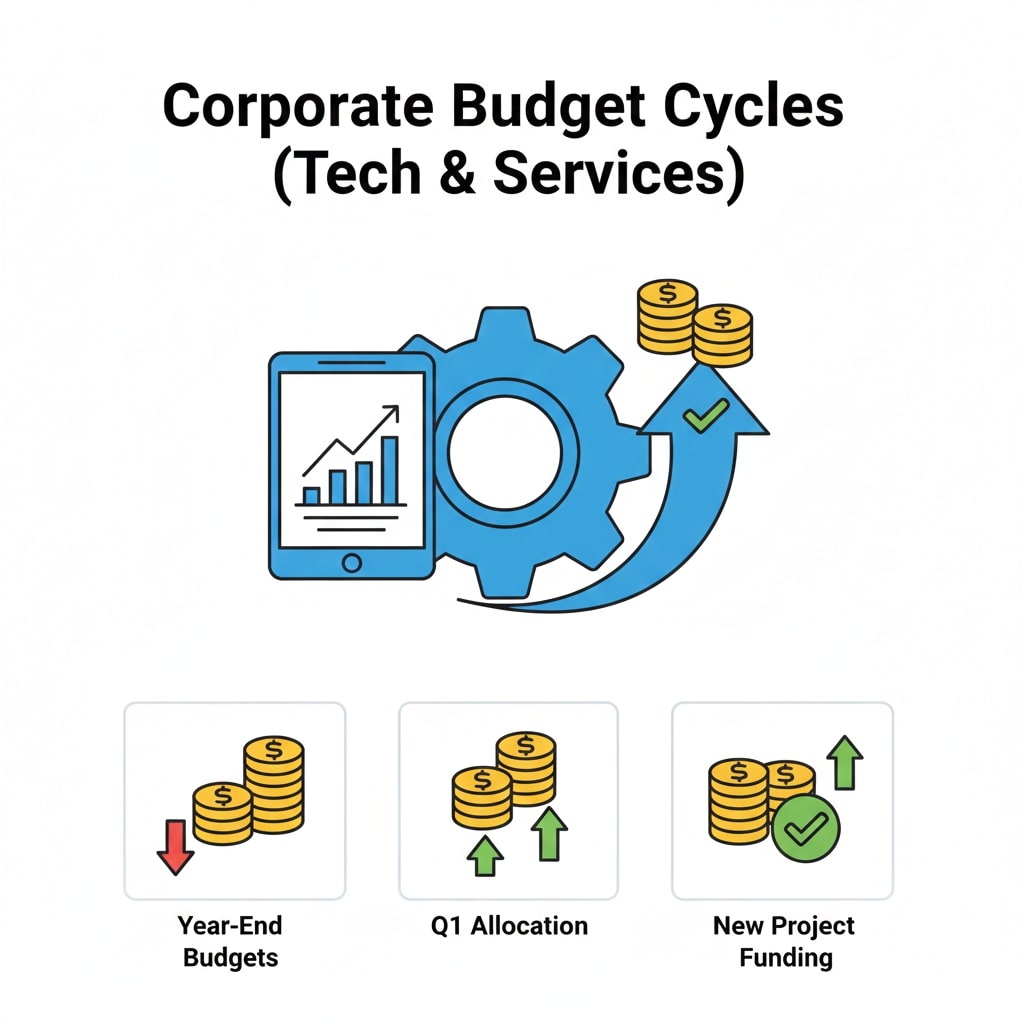
- The Mechanism: Large corporations operate on fiscal years that often align with the calendar year. IT budgets for 2026 are approved in Q4 2025 but don’t get “spent” until Jan 1.
- Impact on DOX (Amdocs): Amdocs provides billing software to massive telecom companies (AT&T, T-Mobile, etc.). When these giants open their new operational budgets in January, service providers like DOX often see contract renewals or new project inflows, leading to strong Q1 earnings guidance.
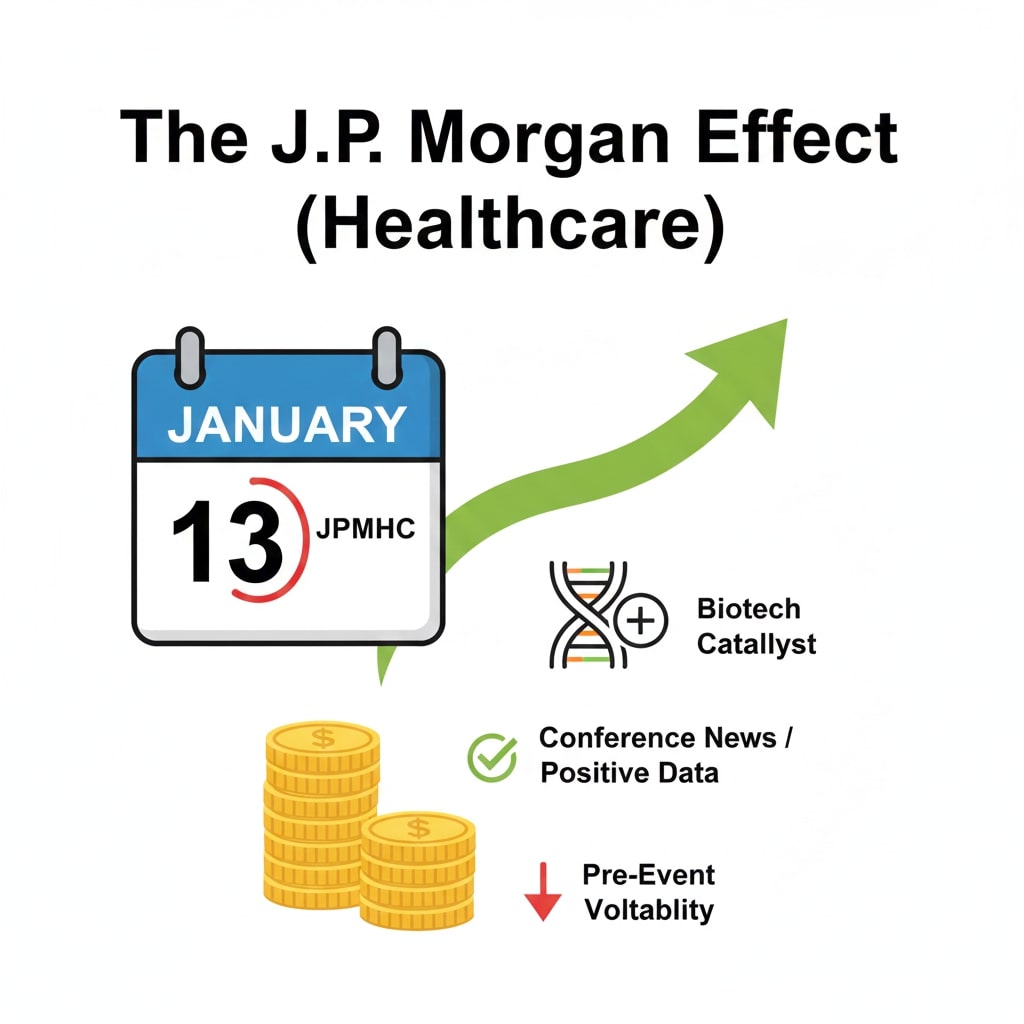
- The Mechanism: The P. Morgan Healthcare Conference happens every year in mid-January (San Francisco). It is the single largest event in the industry.
- Impact on CAH (Cardinal Health): Companies save their biggest announcements (mergers, acquisitions, new drug trials, guidance hikes) for this conference to get maximum press coverage. The anticipation of these announcements causes a “run-up” in healthcare stocks starting in mid-December.
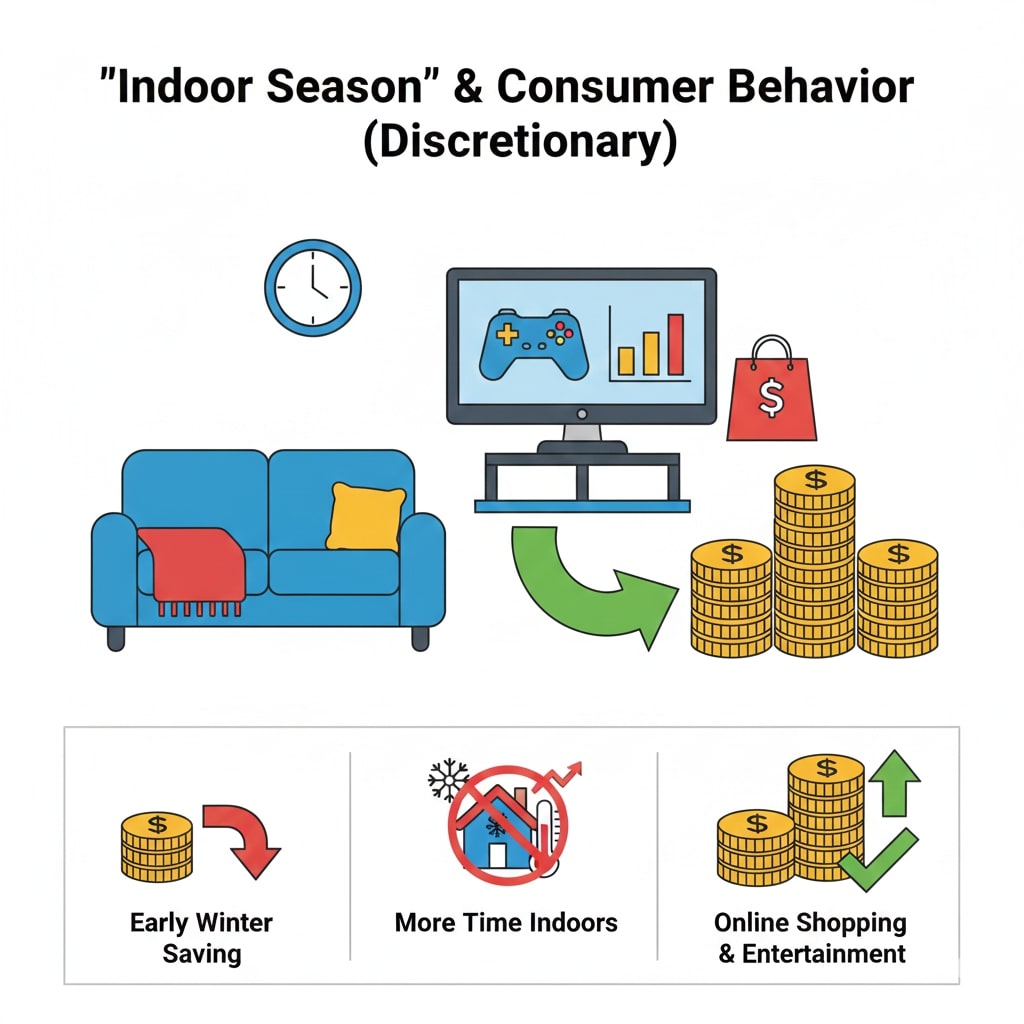
- The Mechanism: It is a simple behavioral reality—when it’s freezing outside, people stay inside.
- Impact on NFLX (Netflix): Q1 is historically the strongest quarter for subscriber growth for two reasons:
- Weather: People consume more content in winter.
- Hardware: Millions of people receive tablets, smart TVs, and phones as holiday gifts in December. The first thing they do in January is download apps and subscribe to services.
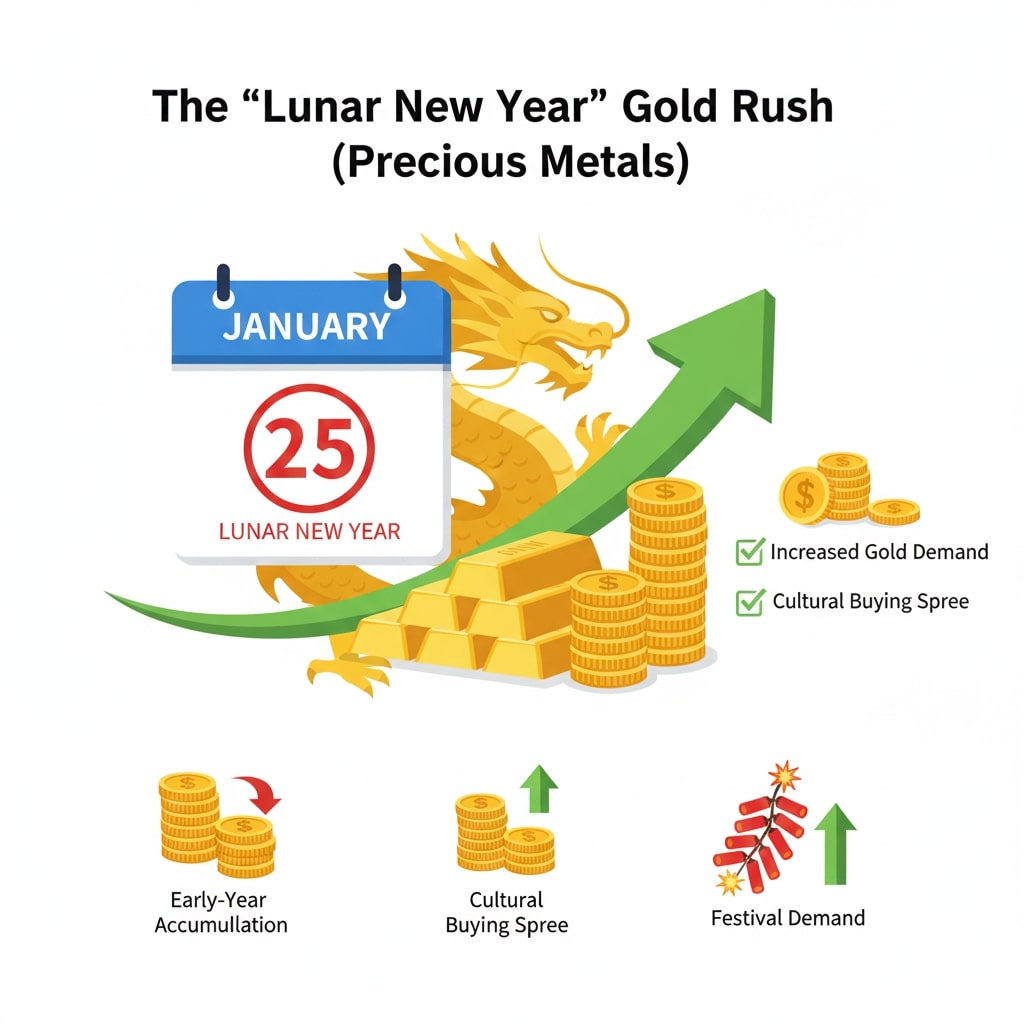
- The Mechanism: Gold has a distinct seasonal pattern driven by physical buying in Asia. The Chinese Lunar New Year (typically late Jan or early Feb) involves massive gifting of gold jewelry and bullion.
- Impact on WPM (Wheaton): Jewelers and fabricators must buy their physical gold inventory before the holiday (in December and January) to manufacture the goods. This drives up the spot price of gold, and streamers like WPM leverage that price increase directly into their margins.
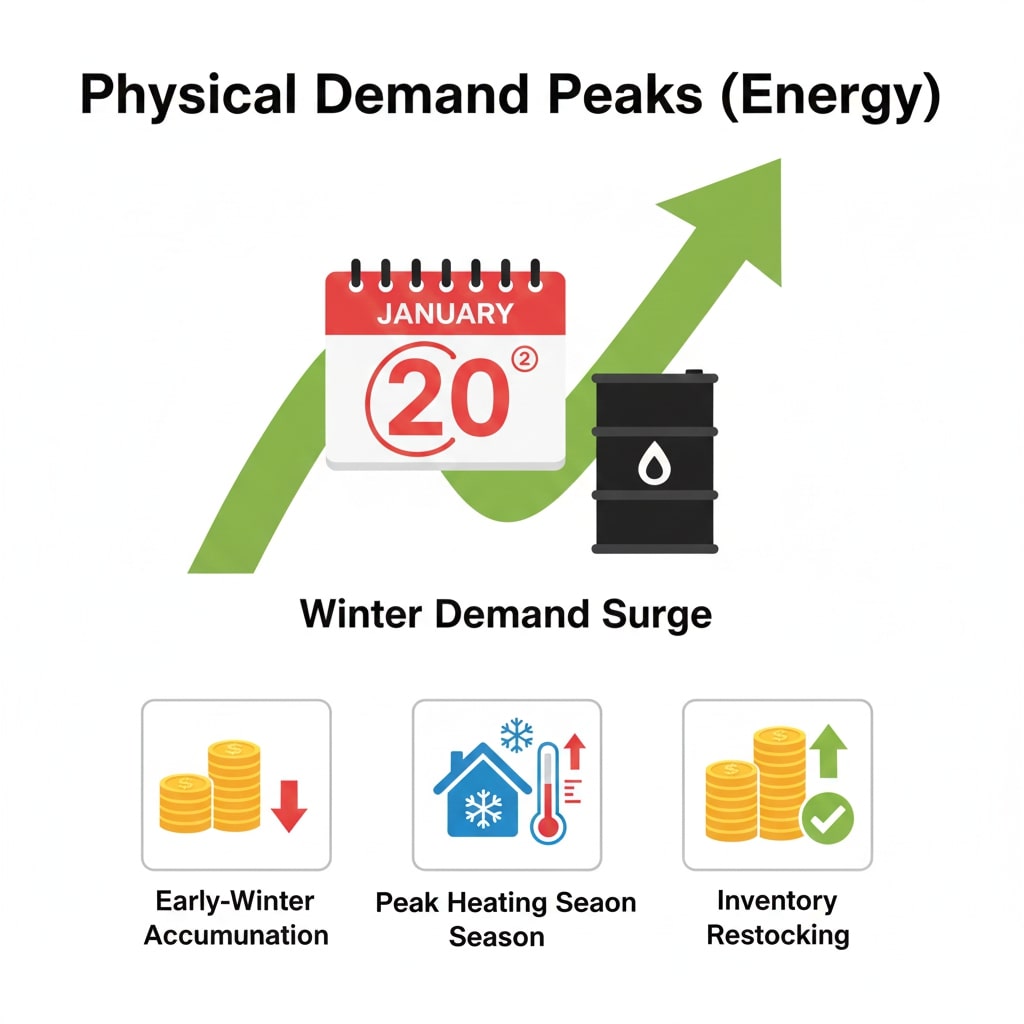
- The Mechanism: Natural Gas and NGL (Natural Gas Liquids) demand is inelastic in winter—you have to heat your home.
- Impact on EPD & LNG:
- EPD: As a pipeline operator, they move the volume. Higher demand = higher volume throughput.
- LNG (Cheniere Energy): Europe has less storage capacity than the US, so their demand for American Liquid Natural Gas peaks aggressively in the coldest months (Jan/Feb), driving up the premium Cheniere can charge.
| Ticker | Primary Driver | The “Why” in One Sentence |
| EPD | Yield Hunting | Investors rotate into high-yield safety (MLPs) to start the year with income. |
| DOX | Fiscal Budgets | Corporate IT spending spigots turn on Jan 1st for the new fiscal year. |
| WPM | Asian Demand | Physical gold buying ramps up ahead of the Chinese Lunar New Year. |
| CAH | Conferences | The J.P. Morgan Healthcare conference in Jan sparks sector-wide speculation. |
| NFLX | Weather/Gifts | Cold weather and new holiday devices drive peak subscriber growth. |
As you likely know, there are literally dozens of solid ways to approach trading the aforementioned stocks with a bullish bias.
The decision of how to best invest in the stock or trade the options is an individualized decision, unfortunately there is no one best way. Keep in mind that seasonality is about probabilities, not certainties. Seasonality is a tailwind, not the engine – fundamentals (earning, Fed path, etc..) drive the car. If seasonality is leaning in your favor, you don’t buy because of seasonality—you might buy when your risk/reward is good and seasonality is aligned with it.
Please remember to fully understand the risk before trading anything.
It’s recommended to do your own research and consider consulting with a financial advisor before investing in any stock or options trade.
To learn more about seasonal information on other solid opportunities, click here SuperSeasonals.
Trade Smart,
Chad Shirley